Sudden drops in fuel economy often signal underlying mechanical issues. Recognizing these warning signs early helps you address problems before they worsen, saving money and preventing costly repairs down the road.
Key Takeaways
- A check engine light paired with poor mileage often indicates oxygen sensor or fuel injector issues requiring diagnostic attention.
- Unusual exhaust smoke colors reveal specific problems: blue suggests oil burning, black points to rich fuel mixture, white may signal coolant leaks.
- Rough idling or hesitation during acceleration frequently stems from clogged filters, worn spark plugs, or failing ignition components.
- Tracking your miles-per-gallon weekly creates a baseline to spot subtle efficiency declines before they become major repairs.
- Modern OBD2-compatible devices can monitor real-time engine data to help identify and optimize fuel consumption patterns.
Understanding Fuel Consumption Warning Signs
Dashboard Indicators You Should Never Ignore
These dashboard signals provide immediate insight into potential fuel system issues.
- Check Engine Light: Often triggered by oxygen sensor faults, loose gas caps, or catalytic converter concerns that directly impact fuel efficiency.
- Fuel Economy Display Drop: Modern vehicles track real-time MPG, a sudden decline warrants investigation even without other warning lights.
- Temperature Gauge Fluctuations: Engine running too hot or cold disrupts optimal fuel combustion cycles.
Physical and Performance Symptoms
Beyond dashboard lights, your car communicates problems through how it drives and sounds.
- Reduced Power During Acceleration: May indicate clogged fuel injectors, dirty air filters, or failing fuel pumps restricting proper air-fuel mixture.
- Unusual Engine Noises: Knocking, pinging, or sputtering often precede measurable fuel economy drops and signal combustion irregularities.
- Strong Fuel Odors: Smelling gasoline inside or outside the vehicle suggests leaks or evaporative system faults wasting fuel and creating safety risks.
How Modern Diagnostic Tools Help Identify Issues
OBD2 Port Technology Explained
Most vehicles manufactured after 1996 include an On-Board Diagnostics port that stores error codes and real-time performance data. When fuel consumption changes unexpectedly, scanning this port reveals specific trouble codes pointing to sensors, injectors, or emission components needing attention.
What to Expect from Fuel Optimization Devices
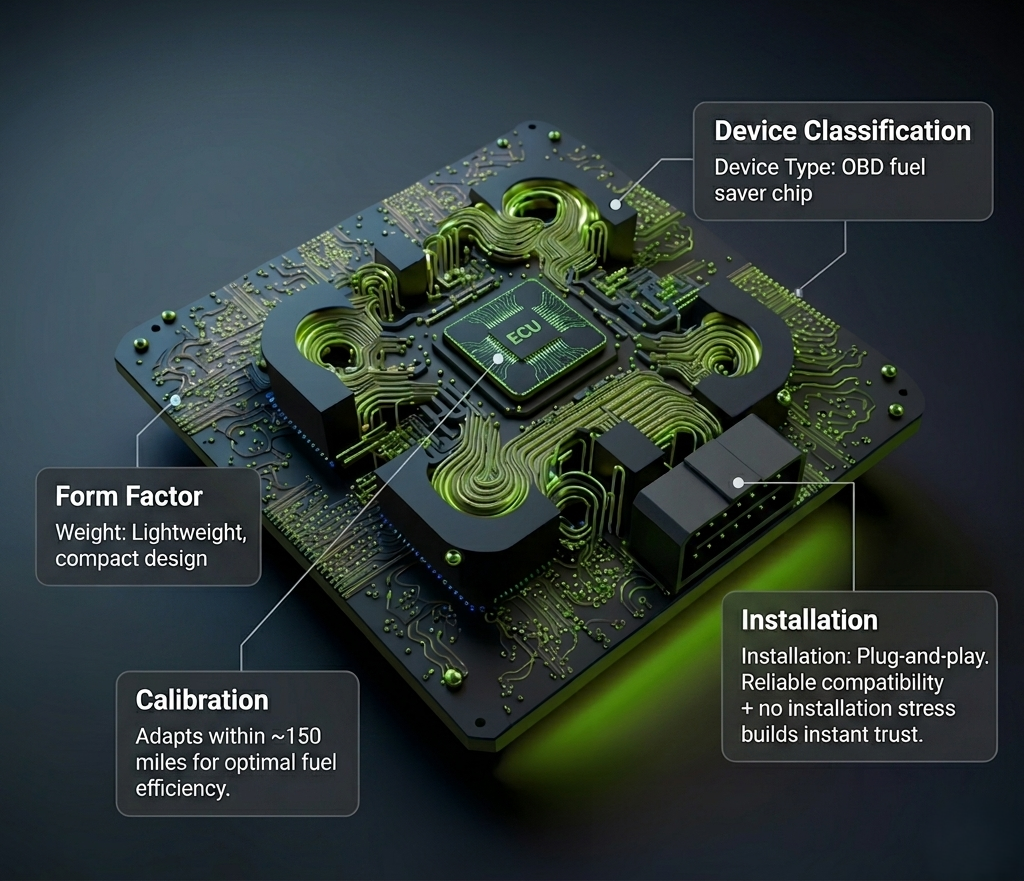
Devices like SynGas connect to the OBD2 port to monitor driving patterns and engine parameters. These tools analyze fuel injection timing, throttle response, and combustion efficiency to suggest adjustments or recalibrate settings for improved mileage. While results vary by vehicle condition and driving habits, such devices work best as complementary diagnostics alongside professional mechanical assessment.
Note: Fuel-saving gadgets are not substitutes for addressing mechanical failures like vacuum leaks, worn spark plugs, or contaminated oxygen sensors.
Realistic Expectations: What These Tools Can and Cannot Do
Pros
- Provides real-time feedback on driving habits affecting fuel economy
- May help recalibrate engine parameters for more efficient combustion
- Simple plug-and-play installation requires no mechanical expertise
- Can store historical data to track efficiency trends over time
Cons
- Cannot repair physical component failures like leaking injectors or broken sensors
- Effectiveness depends on baseline vehicle maintenance and engine health
- Claims of dramatic fuel savings should be evaluated against independent testing
- Not a replacement for professional diagnostics when warning lights appear
When to Seek Professional Mechanical Help
Some fuel consumption issues require hands-on expertise and specialized equipment.
- Persistent check engine light after resetting codes
- Visible fluid leaks under the vehicle, especially near fuel lines
- Significant loss of power accompanied by unusual exhaust emissions
- Fuel economy drop exceeding 20 percent without obvious cause
Maintenance Practices That Support Fuel Efficiency
Regular oil changes with manufacturer-recommended viscosity, timely air filter replacement, and proper tire inflation all contribute to optimal fuel consumption. Keeping up with scheduled service intervals prevents minor issues from escalating into efficiency-robbing problems.
Frequently Asked Questions
How quickly should I address a sudden drop in fuel economy?
Investigate within one to two tank fills. Persistent declines beyond normal variation warrant diagnostic scanning to identify sensor faults, leaks, or combustion issues before they cause further damage.
Can a fuel optimization device fix mechanical problems?
No. These tools monitor and adjust engine parameters but cannot repair physical failures. They work best on well-maintained vehicles to fine-tune performance, not replace necessary mechanical repairs.
What is the most common cause of unexpected fuel consumption increases?
Faulty oxygen sensors top the list, as they directly control air-fuel mixture. Other frequent culprits include underinflated tires, dirty air filters, and aging spark plugs reducing combustion efficiency.
Fuel economy changes are your car's way of signaling that something needs attention. While diagnostic tools offer valuable insights, the most reliable path to restored efficiency combines smart monitoring with timely professional service. When you notice persistent warning signs, addressing them promptly protects both your wallet and your vehicle's longevity.
Ready to Track and Improve Your Fuel Efficiency?
Get the authentic SynGas formula directly from the official manufacturer. Order now for exclusive discounts.
Buy Now at the Official Website